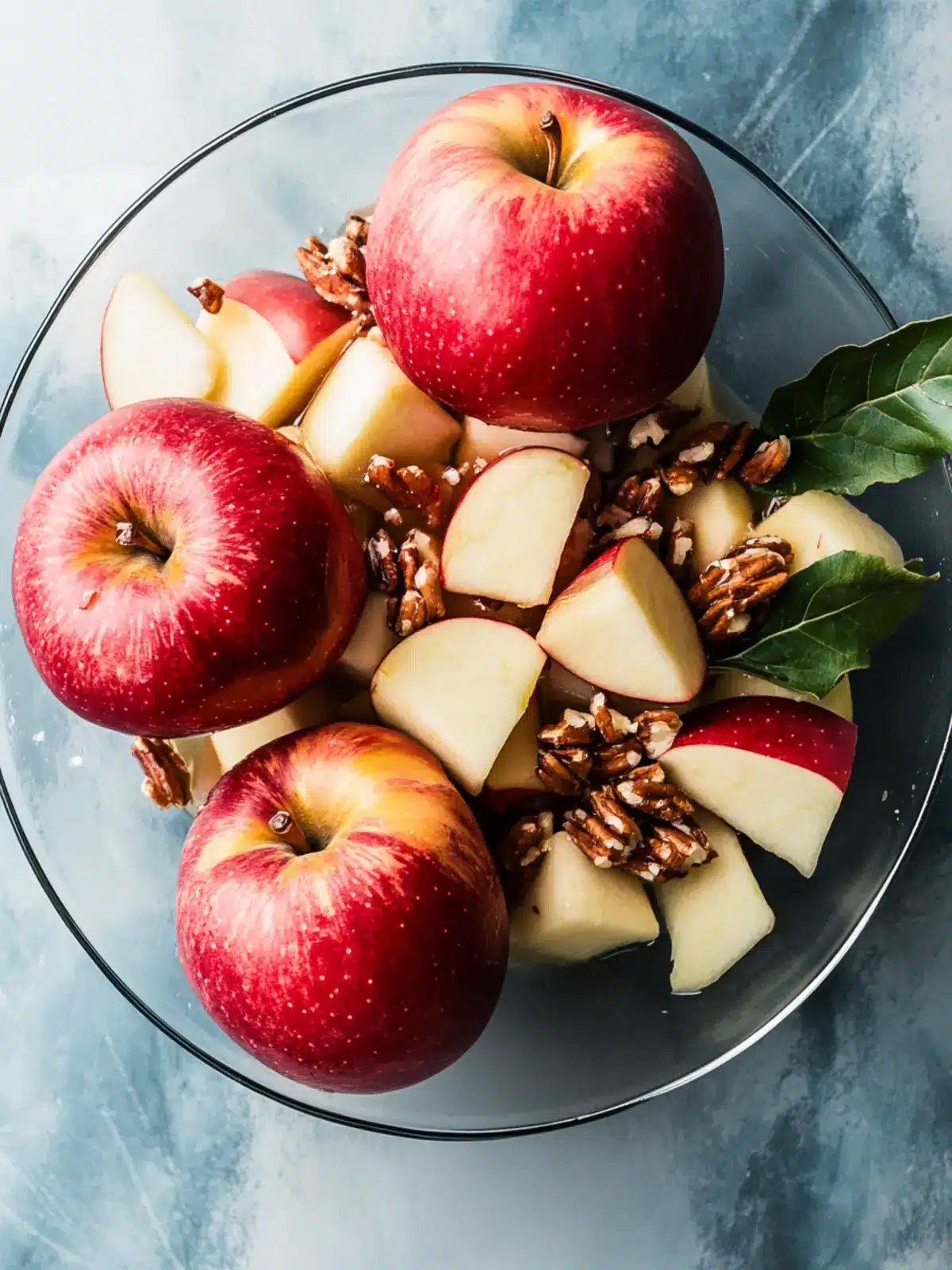
As the aroma of sweet apples and warming cinnamon fills the air, it’s a sure sign that Passover is approaching. Central to the Seder plate and rich with symbolism, Charoset is more than just a dish; it's a taste of history, freedom, and family tradition. While its significance is profound, crafting this essential Passover staple doesn't have to be complicated. This easy charoset recipe guides you through creating a delightful, no-cook medley that’s bursting with flavor and ready in under an hour. Whether you're a seasoned Seder host or preparing your first Passover meal, this recipe promises a harmonious blend of sweet and tart that will become your go-to.
What is Charoset? Unpacking the Seder Plate's Sweet Symbol
At its heart, Charoset (pronounced ha-ROH-set) is a vibrant fruit and nut paste, a sweet side dish that holds deep meaning within the Passover Seder. Traditionally, it represents the mortar that the enslaved Israelites used to build structures for the Pharaoh in ancient Egypt. Its rough texture, often a mix of chopped apples, nuts, and dried fruits, coupled with its reddish-brown hue from wine and spices, vividly evokes this powerful historical imagery.
While the symbolism remains consistent, the precise ingredients of charoset can vary widely, reflecting the diverse culinary traditions of Jewish communities around the globe. Ashkenazi charoset, common in Eastern European Jewish tradition, typically features apples, walnuts, sweet red wine, honey, and cinnamon. Sephardic charoset, on the other hand, often incorporates a wider array of dried fruits like dates, figs, and apricots, along with different nuts and spices, sometimes even a touch of orange or rosewater. Regardless of its specific composition, charoset stands as a delicious and poignant reminder of endurance, hope, and the journey from slavery to freedom, making it an indispensable element of the Seder experience.
Your Easy Charoset Recipe: Simple Steps, Irresistible Flavor
Forget complicated culinary feats; this no-cook charoset recipe embraces simplicity without sacrificing an ounce of flavor. With just a handful of readily available ingredients and minimal effort, you can prepare a fresh, vibrant charoset that truly shines. This recipe is designed for maximum impact with minimum fuss, making it perfect for busy holiday preparations. You’ll spend less time in the kitchen and more time enjoying the company of loved ones around the Seder table.
Crafting Your Perfect Charoset: Ingredients & Expert Tips
The beauty of this charoset recipe lies in the quality and balance of its core ingredients. Each component plays a crucial role in creating the delightful sweet, tart, and spiced profile that makes charoset so beloved.
- Apples: The foundation of our charoset. We highly recommend using firm, slightly tart varieties like Fuji or Honeycrisp. Their crisp texture holds up well, and their balanced sweetness cuts through the richness of the other ingredients. While Granny Smith could work for extra tartness, we find Fuji or Honeycrisp offer a more harmonious blend.
- Nuts & Dried Fruit: This recipe calls for crunchy walnuts and sweet golden raisins. Walnuts provide an earthy depth and satisfying crunch, while golden raisins add concentrated bursts of sweetness and a chewy texture.
- Pro Tip: Don't be afraid to experiment here! For a different flavor profile, swap walnuts for pecans or pistachios. Dried cranberries, chopped figs, or even pomegranate arils can replace or supplement the raisins, offering unique twists. Just ensure nuts are finely chopped, and dried fruit is diced if large.
- Sweet Red Wine: A defining ingredient, especially for Ashkenazi charoset. A good quality sweet Kosher red wine, such as Manischewitz, is ideal. Its grape-juice-like sweetness is key to balancing the tartness of the apples and enriching the overall flavor. The wine not only adds sweetness but also helps bind the ingredients and infuses them with its distinct aroma.
- Substitution Insight: If you prefer to avoid alcohol or can't find sweet Kosher wine, a good quality grape juice can be a suitable non-alcoholic alternative. Just be mindful that you might need to slightly reduce the honey depending on the sweetness of your chosen grape juice.
- Honey: This natural sweetener amplifies the wine's sweetness and adds a beautiful, sticky glaze that binds everything together. Use a good quality honey for the best flavor.
- Lemon Zest: The secret weapon for brightness! Fresh lemon zest is non-negotiable for adding a vibrant, citrusy lift that prevents the charoset from tasting overly heavy or one-note. It introduces a subtle, aromatic counterpoint that truly elevates the dish.
- Cinnamon: The warming spice that ties everything together. Ground cinnamon brings a comforting, aromatic depth that complements the apples and wine perfectly, adding that classic charoset warmth.
- Kosher Salt: A tiny pinch of kosher salt is crucial for enhancing all the other flavors, making them pop and ensuring the charoset isn't just sweet, but truly complex and delicious.
Step-by-Step Instructions for a Flawless Charoset
One of the most appealing aspects of this charoset recipe is its simplicity. There's no cooking involved, just a bit of chopping and mixing. You'll be amazed at how quickly this comes together!
- Prepare Your Ingredients: Start by thoroughly washing and drying your apples. Core them, and then chop them into small, uniform pieces. Aim for about ¼-inch dice – small enough to be easily eaten but large enough to retain some texture. Next, finely chop your walnuts. While you can use a food processor for this, be careful not to over-process them into a paste; you want discernible pieces for texture.
- Combine & Stir: In a large mixing bowl, combine your chopped apples, chopped walnuts, and golden raisins. Add the sweet red wine, honey, fresh lemon zest, ground cinnamon, and the pinch of kosher salt.
- Mix Thoroughly: Using a sturdy spoon or spatula, stir all the ingredients together until they are fully combined. Ensure that the liquid ingredients evenly coat the apples, nuts, and raisins.
- Let Flavors Meld: This step is crucial for developing the best flavor. Cover the bowl and let the charoset sit at room temperature for at least 30 minutes. This allows the apples to absorb some of the wine and honey, and all the flavors to meld beautifully. For an even deeper flavor, you can refrigerate it for a few hours or even overnight, allowing the spices to truly infuse.
- Serve as Desired: Give it another quick stir before serving. Your homemade charoset is now ready to grace your Seder plate or be enjoyed in countless other ways! For more ideas on enjoying this wonderful dish, check out The Best Charoset: Sweet, Simple, & Versatile for Passover.
Beyond the Seder Plate: Versatile Ways to Enjoy Charoset
While charoset holds a place of honor on the Seder plate, symbolizing the mortar of ancient slavery, its deliciousness and versatility extend far beyond the Passover holiday. Don't limit this delightful sweet and spiced concoction to just one ceremonial occasion!
- Classic Matzo Pairing: The most traditional way to enjoy charoset during Passover is spread generously over a piece of matzo. The crisp, unleavened bread provides the perfect neutral canvas for the sweet, tangy, and crunchy charoset.
- Breakfast Booster: Elevate your morning routine by stirring a spoonful of charoset into your plain yogurt or oatmeal. It adds natural sweetness, fruit, nuts, and a delightful texture, making for a hearty and flavorful start to your day.
- Dessert Topping: Charoset makes an unexpected yet utterly delicious topping for various Passover-friendly desserts. Spoon it over a scoop of vanilla ice cream or a parve (dairy-free) alternative, or use it to garnish almond cake or fruit compote.
- Alongside Savory Dishes: The sweetness of charoset offers a fantastic counterpoint to richer, savory mains. Serve it as a relish alongside roasted chicken, turkey, or even your holiday brisket. Its bright flavors can cut through the richness beautifully.
- Snack Attack: Enjoy charoset simply by the spoonful as a satisfying snack, or pair it with cheese and crackers (if not during Passover) for a delightful sweet and savory bite.
Storage & Make-Ahead Tips for Your Charoset Recipe
One of the best features of this charoset recipe is that it can be prepared in advance, allowing you to focus on other Seder preparations. In fact, making it ahead often enhances the flavors as they have more time to meld.
- Make-Ahead: You can prepare your charoset up to 3 days in advance. To prevent the apples from browning, stir in an additional teaspoon of lemon juice (beyond the zest) after mixing all the ingredients.
- Storage: Store the charoset in an airtight container in the refrigerator. It will stay fresh and delicious for approximately 3-4 days. While it can last a bit longer, the texture of the apples might soften over time.
- Serving Temperature: Charoset is typically served chilled or at room temperature. If you've stored it in the refrigerator, allow it to sit out for 15-20 minutes before serving to let the flavors truly blossom.
Crafting charoset is more than just following a recipe; it's participating in a centuries-old tradition that connects generations. This easy charoset recipe provides a straightforward path to creating a delicious, meaningful dish that will grace your Seder plate with vibrant flavors and rich symbolism. Whether you stick to the classic preparation or explore the myriad of creative substitutions, the act of making charoset itself is a joyful expression of heritage and freedom. So, gather your ingredients, take a moment to reflect on its powerful message, and enjoy the simple pleasure of bringing this sweet tradition to life in your own kitchen.
