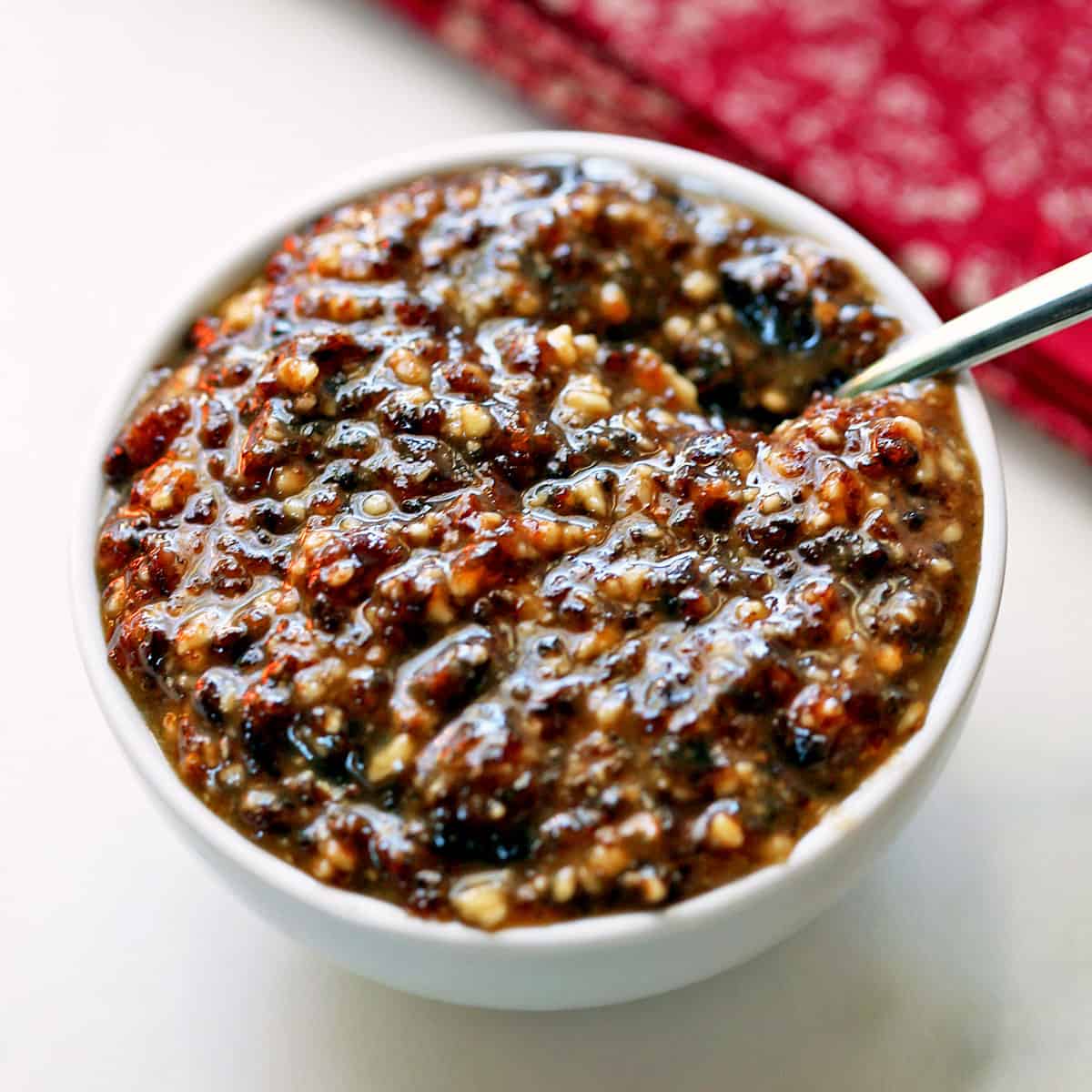
No-Cook Charoset: Sweet Apples & Wine for Passover Seder
As the aroma of sweet apples, warming cinnamon, and a hint of red wine fills the air, it’s clear that Passover is approaching. Central to the Seder plate, Charoset is more than just a delightful fruit and nut medley; it's a symbolic anchor, representing the mortar used by our ancestors during their enslavement in Egypt. But don't let its historical significance intimidate you – creating this cherished dish is remarkably simple. Our no-cook easy Charoset recipe celebrates tradition with effortless preparation, ensuring you can focus on the deeper meaning of the holiday.
Forget hours in the kitchen; this Charoset comes together in under an hour, demanding nothing more than a little chopping and mixing. It's a vibrant, sweet, and incredibly versatile dish that will not only complete your Seder plate but also become a delightful treat throughout the Passover week. Get ready to discover the ultimate no-cook best Charoset recipe, guaranteed to be a crowd-pleaser.
What is Charoset? A Sweet Symbol of Freedom
Charoset, often pronounced "kha-RO-set," is a sweet, dark-colored paste or relish that is an essential part of the Passover Seder plate. Its texture, a blend of chopped fruits and nuts, is traditionally said to symbolize the mortar and bricks used by the enslaved Israelites to build structures for Pharaoh. While its primary role is symbolic, Charoset is also incredibly delicious, offering a sweet counterpoint to the bitter herbs (maror) and a delightful companion to the matzo.
While the basic components of apples, nuts, wine, and spices remain consistent across many traditions, there's a beautiful diversity in Charoset recipes worldwide. Sephardic traditions, for instance, might incorporate dates, figs, or even bananas, often with a thicker, pastier consistency. Ashkenazi Charoset, which this recipe leans towards, typically features a chunkier texture dominated by apples and walnuts, sweetened with wine and honey. Regardless of its specific form, Charoset serves as a tangible link to history, reminding us of both hardship and the ultimate triumph of freedom.
The Perfect No-Cook Charoset Recipe: Sweet Simplicity for Your Seder
This Charoset recipe is designed for maximum flavor with minimum fuss. No cooking, no complex techniques – just pure, delicious tradition ready in minutes.
Ingredients Spotlight: Crafting the Flavor Profile
The beauty of Charoset lies in its simple, wholesome ingredients, each playing a crucial role in creating its iconic sweet and slightly tart flavor. Here’s a deeper look at what you’ll need:
- Apples (3 medium-sized): The foundation of our Charoset. We highly recommend using a crisp, slightly tart apple variety like Fuji or Honeycrisp. Their natural acidity beautifully balances the sweetness of the wine and honey, preventing the dish from becoming cloyingly sweet. You can also experiment with Gala or Pink Lady for a milder sweetness.
- Walnuts (1 cup, chopped): Walnuts bring a delightful crunch and earthy depth to the Charoset. Feel free to toast them lightly beforehand (cool completely before adding) for an enhanced nutty flavor, though it's not strictly necessary for this no-cook version. For variety, consider swapping out walnuts for pecans, pistachios, almonds, or even a mix of your favorite nuts.
- Golden Raisins (½ cup): These add pockets of concentrated sweetness and a chewy texture. If golden raisins aren't your preference, dark raisins, dried cranberries, chopped dried figs, or even small diced dried apricots make excellent substitutes, each offering a unique twist to your Charoset recipe.
- Sweet Red Wine (½ cup): This is where much of the traditional flavor and color come from. The key here is a sweet, Kosher red wine, such as Manischewitz or similar Passover-approved varietals. These wines often have a fruit-forward, almost grape-juice-like sweetness that is essential for authentic Charoset. If you only have a drier red wine on hand, you might need to increase the amount of honey slightly to achieve the desired sweetness.
- Honey (¼ cup, or to taste): Honey amplifies the natural sweetness of the apples and wine, contributing a rich, floral note. It also helps bind the ingredients together. Adjust the amount to your preference; if your apples are very sweet or you're using a particularly sweet wine, you might use less.
- Lemon Zest (1 teaspoon): Don't skip this! Fresh lemon zest is a game-changer, adding a bright, zesty counterpoint that lifts all the other flavors and prevents the Charoset from tasting flat. It introduces a subtle acidity without altering the texture.
- Ground Cinnamon (1 teaspoon): This warm spice is classic for a reason. Cinnamon ties all the elements together, infusing the Charoset with a comforting aroma and flavor that evokes tradition and home. You can even add a pinch of nutmeg or allspice for a more complex spice profile.
- Kosher Salt (¼ teaspoon): A tiny pinch of salt might seem counterintuitive in a sweet dish, but it's crucial for balancing and enhancing all the other flavors, making them pop.
Step-by-Step Instructions: Effortless Preparation
One of the most appealing aspects of this Charoset recipe is its absolute simplicity. The only "effort" involved is minimal chopping! Here’s how to bring it all together:
- Prep Your Produce: Begin by thoroughly washing and drying your apples. While some prefer to peel them, leaving the skin on adds extra fiber, color, and texture. Core the apples, then chop them into small, uniform pieces – about ¼-inch dice is ideal. Aim for consistency so each bite offers a balanced mix. Similarly, finely chop your walnuts.
- Combine Ingredients: In a large mixing bowl, combine your chopped apples, chopped walnuts, and golden raisins. Add the sweet red wine, honey, fresh lemon zest, ground cinnamon, and kosher salt.
- Mix Thoroughly: Using a sturdy spoon or spatula, stir all the ingredients together until everything is fully combined and the apples and nuts are evenly coated with the sweet liquid and spices.
- Let Flavors Marry: This step is crucial for the best flavor! Cover the bowl and refrigerate the Charoset for at least 30 minutes. This allows the liquids to be absorbed, the flavors to meld, and the ingredients to soften slightly, creating a more harmonious and cohesive dish. For even deeper flavor, you can let it sit for a few hours or even overnight.
- Serve and Enjoy: Once the flavors have had time to meld, give it a final stir and serve chilled. Your exquisite no-cook Charoset is ready to grace your Seder plate!
Beyond the Seder Plate: Versatile Ways to Enjoy Your Charoset
While Charoset holds a special place at the Passover Seder, its deliciousness shouldn't be confined to just one night. This versatile fruit and nut medley can be enjoyed in numerous ways throughout the week and beyond. Don't let any leftovers go to waste!
- Classic Matzo Pairing: The most traditional way to enjoy Charoset outside the Seder. Spread a generous spoonful onto a piece of matzo for a sweet, satisfying snack.
- Breakfast Booster: Stir Charoset into your morning yogurt or oatmeal for a burst of flavor, sweetness, and healthy fats. It's a fantastic way to elevate a simple breakfast. You can even mix it into cottage cheese for a protein-rich option.
- Dessert Topping: Use Charoset as a topping for vanilla ice cream, sorbet, or even Passover-friendly cakes and cookies. It adds a delightful texture and sweet-spiced flavor.
- Savory Companion: Don't underestimate its ability to complement savory dishes. A spoonful of Charoset can provide a lovely sweet and tangy contrast when served alongside roasted chicken, lamb, or even your Passover brisket.
- Snack Time: Enjoy it simply by the spoonful, or with a side of fruit for a quick, healthy snack. It’s a much more wholesome option than reaching for processed sweets.
Pro Tips for Your Best Charoset Recipe Ever
To ensure your Charoset is always a triumph, consider these expert tips:
- Make Ahead Magic: Charoset is an ideal make-ahead dish, perfect for reducing Seder day stress. You can prepare it up to 3 days in advance. To prevent the apples from browning, add 1 teaspoon of fresh lemon juice along with the zest when mixing. Store it in an airtight container in the refrigerator. The flavors will deepen beautifully over time.
- Chunky vs. Fine: The texture of your Charoset is a matter of personal preference. For a finer, paste-like consistency, you can pulse the apples and nuts briefly in a food processor (be careful not to over-process into a mush!). For a more rustic, chunky feel, hand-chopping is best.
- Customization is Key: Don't be afraid to experiment! This Charoset recipe is highly adaptable. Try different nuts (pecans, almonds), dried fruits (dates, figs, cranberries), or even a hint of orange zest instead of lemon. A tiny splash of grape juice can also be added if you prefer a less alcoholic taste, especially when making for children.
- Taste and Adjust: Before serving, always taste your Charoset. If it needs more sweetness, add a bit more honey or a touch more sweet wine. If it feels too sweet, a squeeze of fresh lemon juice can brighten it up.
- Storage Savvy: Any leftovers should be stored in an airtight container in the refrigerator for up to 3 days. The flavors will continue to develop, often tasting even better the next day!
Conclusion
This no-cook Charoset recipe proves that timeless tradition and culinary ease can go hand-in-hand. With its vibrant flavors of sweet apples, rich walnuts, and warming cinnamon, all brought together by a touch of Kosher red wine, you'll have a dish that not only symbolizes freedom but also delights the palate. Its simple preparation frees you to connect more deeply with the spirit of Passover, whether you're sharing stories around the Seder table or enjoying a peaceful moment of reflection. So gather your ingredients, take a moment to chop, mix, and allow the flavors to meld, and prepare to enjoy a truly special and effortless Charoset that will be cherished by all.
